
Osaka Castle in Assassin's Creed Shadows: A Dead Ringer for Feudal Japan
I have been climbing Assassin's Creed rooftops since the Ezio days, so when I saw a Reddit user's side-by-side shots of Osaka Castle and Assassin's Creed Shadows, I had to do a double take. The user, GenericReditUserName, photographed the real castle in Osaka, Japan, and placed those photos next to in-game screenshots. The resemblance is uncanny—not just the silhouette, but the moat, the main keep, and even the view west from the top toward the modern city. In 2026, with the game well past launch, I still get a kick out of how Ubisoft's art team nailed the vibe of a 16th-century Osaka while keeping enough modern geography to make the comparison pop. It is not a one-to-one recreation; the distant hill visible from the top of the castle is much farther away in real life, for example. But as a piece of virtual tourism, it is the closest I have seen a game come to bottling feudal Japan.
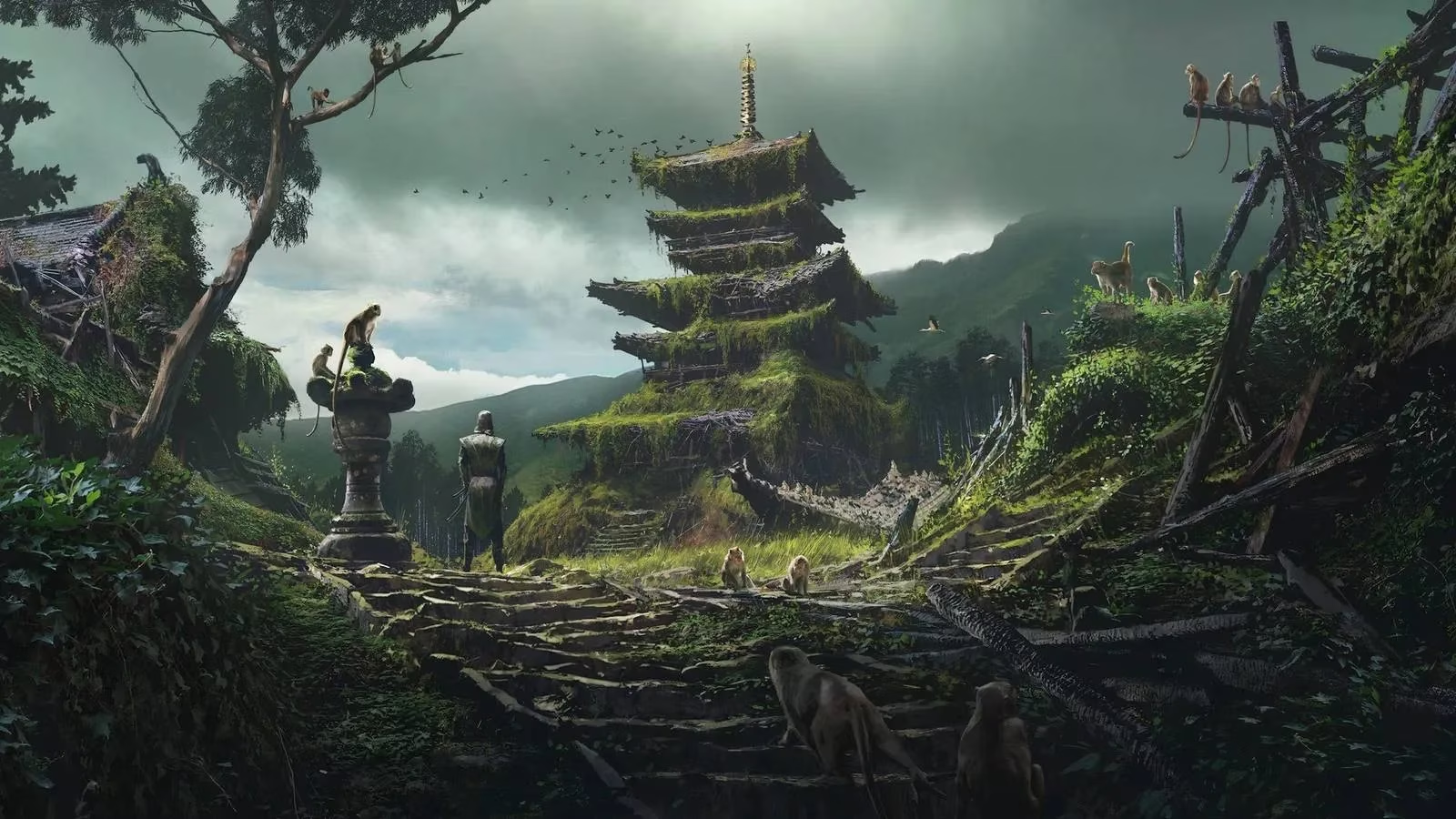
What really sells it for me is the spit and polish on the small stuff. The moat's waterline, the stone foundations, the tiered roofs—they all read like a period drama set that someone actually lived in. Osaka Castle in Shadows also has a job to do as a gameplay space: legendary loot, a Samurai Daisho to defeat, and enough verticality to make my inner parkour gremlin grin. The real castle does not have loot stashes, obviously, but Ubisoft clearly went the extra mile to make the location feel grounded. That attention to detail helped Shadows become the biggest launch in franchise history, and it is easy to see why.
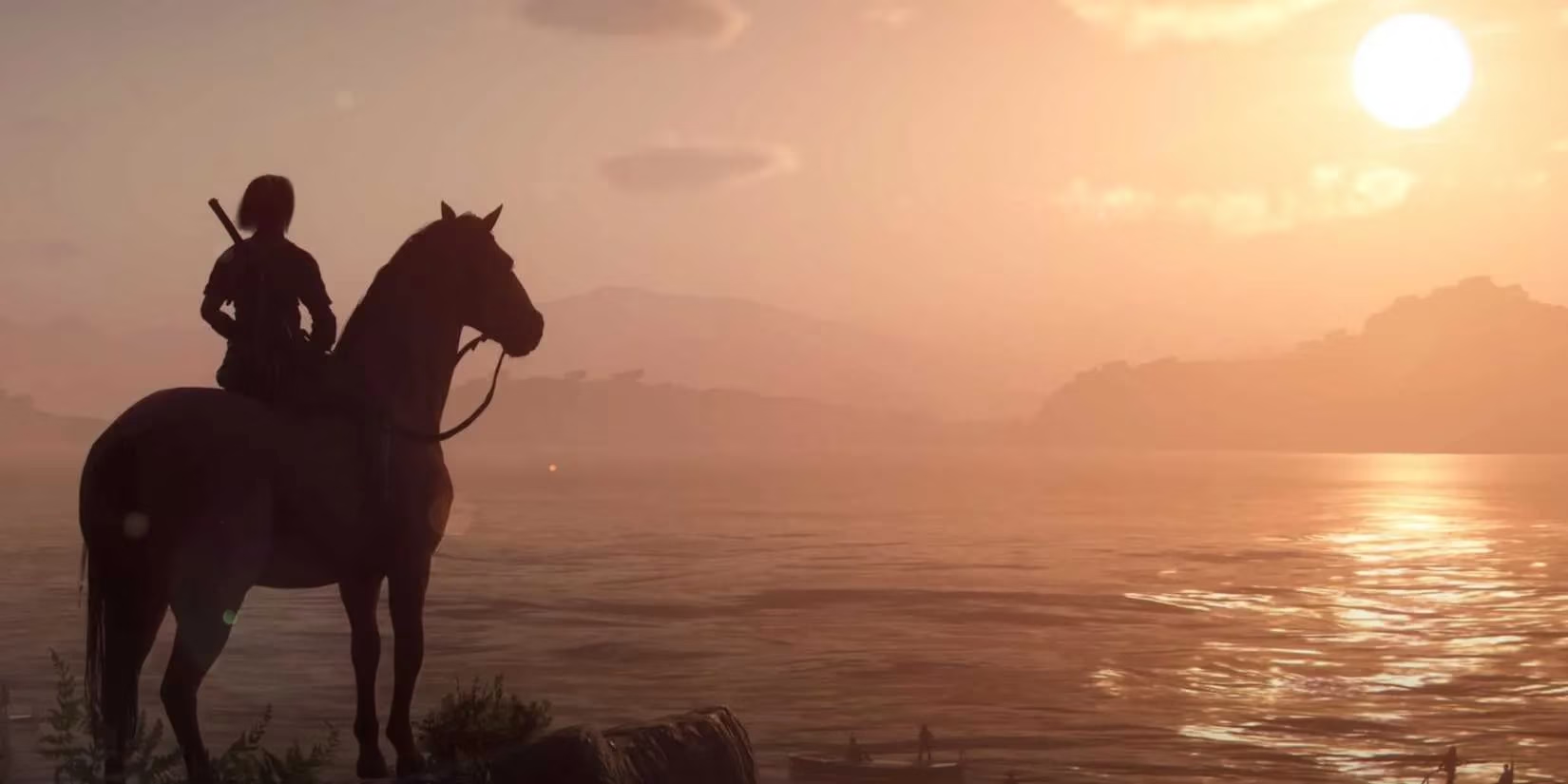
Earlier this year, ScreenRant explored Kyoto and echoed the same point about Himeji Castle: the developers poured time and effort into realism. I have to agree. When I roam the game's castle towns, I get that same “wait, is this a photo?” feeling. It is not perfect—real life has more clutter, different lighting, and a lot more tour buses—but the game's version of Osaka is a dead ringer for a stylized 16th-century reconstruction.
Here is how I break down the comparison:
| Element | In Assassin's Creed Shadows | In real-life Osaka |
|---|---|---|
| Main keep | Tiered, imposing, and climbable | Same iconic silhouette, heavily restored |
| Moat | A tactical route and visual boundary | Wide, calm, and very photogenic |
| View west | Feudal skyline and distant terrain | Modern city stretching to the horizon |
| Atmosphere | Tense, beautiful, and game-ready | Busy, historic, and surprisingly peaceful |
Assassin's Creed has always been rooted in rich, complex, and often violent time periods. I have climbed through Ancient Egypt, the Italian Renaissance, and now feudal Japan. Fans asked for a Japan setting for years, and Shadows delivers a hyper-realistic playground that feels like Osaka might have felt centuries ago. The game even sparked a real-world conversation: a recent patch made temples and shrines indestructible after Japanese politician Hiroyuki Kada raised concerns that the locations were so realistic they could inspire players to damage sacred places. Say what you will about that controversy, but it proves the point—the setting is convincing enough to blur the line between game and reality.
In a nutshell, Assassin's Creed Shadows might have the most realistic setting in the series yet. The Osaka Castle comparison is chef's kiss: not a literal copy, but a lovingly crafted time machine with a hidden blade. If you are a fan of virtual tourism, history, or just climbing things you probably should not climb, this one is worth a look. I will be over here, lining up my own screenshots and grinning like a kid in a candy store. 🏯✨
Expert commentary is drawn from The Verge - Gaming, whose reporting often explores how modern game development balances visual authenticity with accessibility and design constraints. That lens fits Assassin's Creed Shadows especially well, since the Osaka Castle comparison shows how a historically inspired space can feel believable enough for virtual tourism while still being shaped into a readable, climbable stealth sandbox.
Comments